The Best Waterproof Plywood for Kitchens: BWP vs BWR Explained
A slow, hidden leak under a kitchen sink is one of the quietest threats on a luxury buildsite: left unchecked it soaks the substrate, swells edges, and within months can rot the core of an otherwise high-end modular kitchen. Choosing the wrong structural plywood—visually identical at first glance—turns a premium finish into a recurring failure point and expensive downtime. As a lead interior designer and real estate builder who specifies and installs dozens of villas, resorts, and banquet projects each year, I’ll cut through the jargon so you specify the right panel for the right exposure.
Decoding the Acronyms: What Do They Actually Mean?
When builders and clients swap specs, acronyms like BWR and BWP get thrown around as if they’re interchangeable. They’re not. Each grade reflects specific resin systems, glue lines, and testing standards that determine whether a panel survives occasional steam and humidity or prolonged wetting and immersion. Understanding the difference prevents project failure—especially in wet zones, kitchens, or outdoor-facing joinery.
What is BWR Plywood?
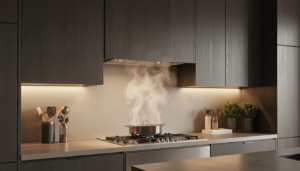
BWR stands for Boiling Water Resistant plywood. It uses phenolic or other water-resistant resins and higher-quality glue lines to resist high indoor humidity, steam from cooking, and occasional splashes. Importantly, BWR is designed to withstand moisture in humid interiors, not continuous immersion—so it’s suitable for kitchen carcasses and utility areas but not for parts that will sit in standing water.
BWP Grade Meaning
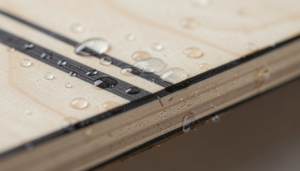
BWP means Boiling Water Proof—the true marine-grade plywood family engineered to resist prolonged exposure to water without delaminating. BWP panels use waterproof glue systems and often higher-grade veneers and treatments that preserve structural integrity when wet, making them appropriate for boat interiors, exterior joinery exposed to rain, and critical wet-zone substrates. For kitchen applications where exposure could be persistent or where absolute longevity is required, consider specifying waterproof plywood for kitchen installations or converting visible cabinetry substrates to BWP in vulnerable zones.
The Kitchen Sink Test: Which One Survives a Leak?
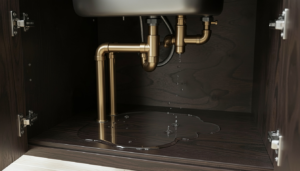
Imagine a slow drip from a buried sink pipe that pools on the cabinet base and goes unnoticed for a week—this is the kind of real-world failure mode I see on site. In that worst-case scenario, BWR plywood will resist humidity and short splashes at first, but given continuous contact it begins to absorb the standing water. Over days the core swells, veneer bonds soften, and you get edge swelling, fungal growth, and progressive loss of load-bearing capacity that forces panel replacement.
By contrast, BWP plywood is built to endure exactly this abuse. Its waterproof adhesives and manufacturing controls—tight glue lines, zero-gap layups, and properly cured phenolic or melamine resins—prevent delamination and blocking even after prolonged puddling. In a straight BWP vs BWR plywood comparison under a week-long leak, BWP will stay dimensionally stable and structurally sound while BWR will show visible and functional failure.
How to Optimize Your Kitchen Budget: Where to Use Which?
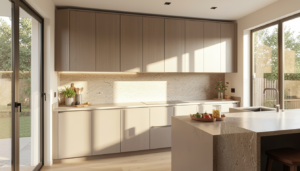
Spend where it matters: reserve BWP (boiling water proof) panels for the true wet zones—the under-sink unit, dishwasher housing, and any base cabinets that sit directly below plumbing or appliances. Using BWP only in these critical junctions gives you the insurance of marine-grade plywood for kitchen cabinets where failure would be costly and disruptive.
For upper wall cabinets, dry pantries, and other locations with no direct water contact, specify BWR plywood to save on material costs while still getting good performance against steam and humidity. Combine this split-spec approach with simple on-site protections—sealed cabinet bottoms, silicone around pipe penetrations, and raised battens under bases—to stretch your budget without compromising longevity.
Conclusion
Investing in BWP plywood for wet zones is the ultimate insurance policy for a modular kitchen— it prevents the slow, hidden failures that turn premium finishes into costly replacements while allowing you to use BWR where appropriate to control budget. For a renovation, new build, restaurant fit-out, or luxury villa kitchen, consult our design and construction team to specify the right panels, detailing, and on-site protections so your joinery performs beautifully for decades. Would you like a project-ready spec sheet and material list tailored to your kitchen layout?